The Gravensteiner Apple - from French monastery to Danish royalty

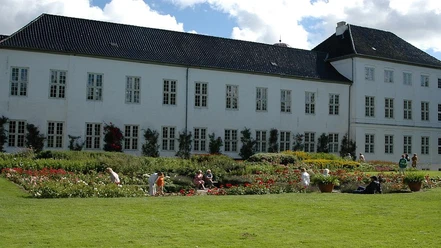
The Gravensteiner Apple is known for its fine fragrance and sweet-sour aroma. The history of its origins goes back several centuries: Count Friedrich von Ahlefeldt the Younger (1672-1708) had built an orangery in his garden at Gravenstein Castle (Danish: “Gråsten Slot”), and he wanted to equip it only with the finest of plants. It is believed that in 1693, on a campaign to France, he visited the monastery of Abbaye de Hautecombe in Savoy, which was known for its fine fruit growing. From there he brought home a particularly beautiful apple variety. It did thrive splendidly, was refined, and propagated by grafting. Subsequently, it found a home in many gardens – even all the way to Canada, where the Gravensteiner Apple was used as motif for a stamp. In 2005, the Gravensteiner (in Denmark known by the name Gråsten-æble) was chosen as Danish National Apple.